Brutalism, long associated with the cold, impersonal institutional buildings of the 1960s and 70s, is experiencing a surprising comeback in contemporary residential architecture. But we're not talking about the same brutalism.
From raw concrete to high-performance concrete
The new generation of architects adopts the visual language of brutalism — clear volumes, exposed concrete, honest geometry — and wraps it in modern insulation and energy efficiency technologies. Today's concrete is not the same as 50 years ago: advanced compositions allow for a reduced carbon footprint, and specialized formwork offers fine, almost tactile textures.
Where we see this trend
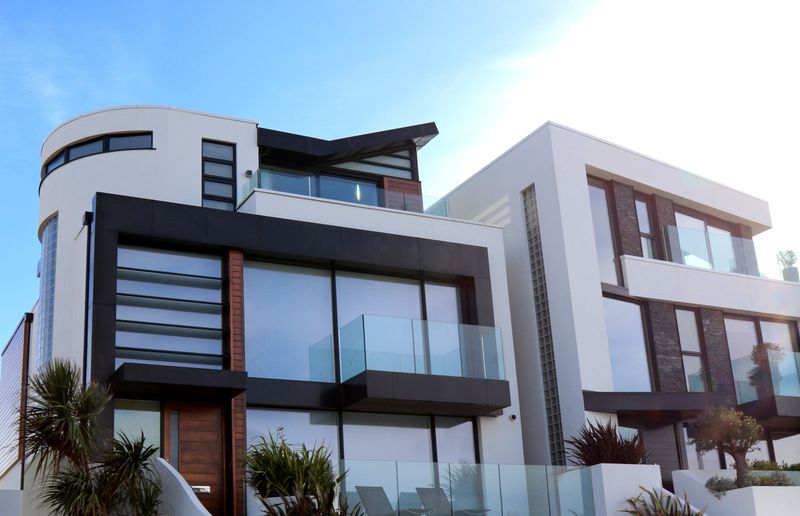
- Urban villas that contrast with the historical fabric through pure volumes and generous windows
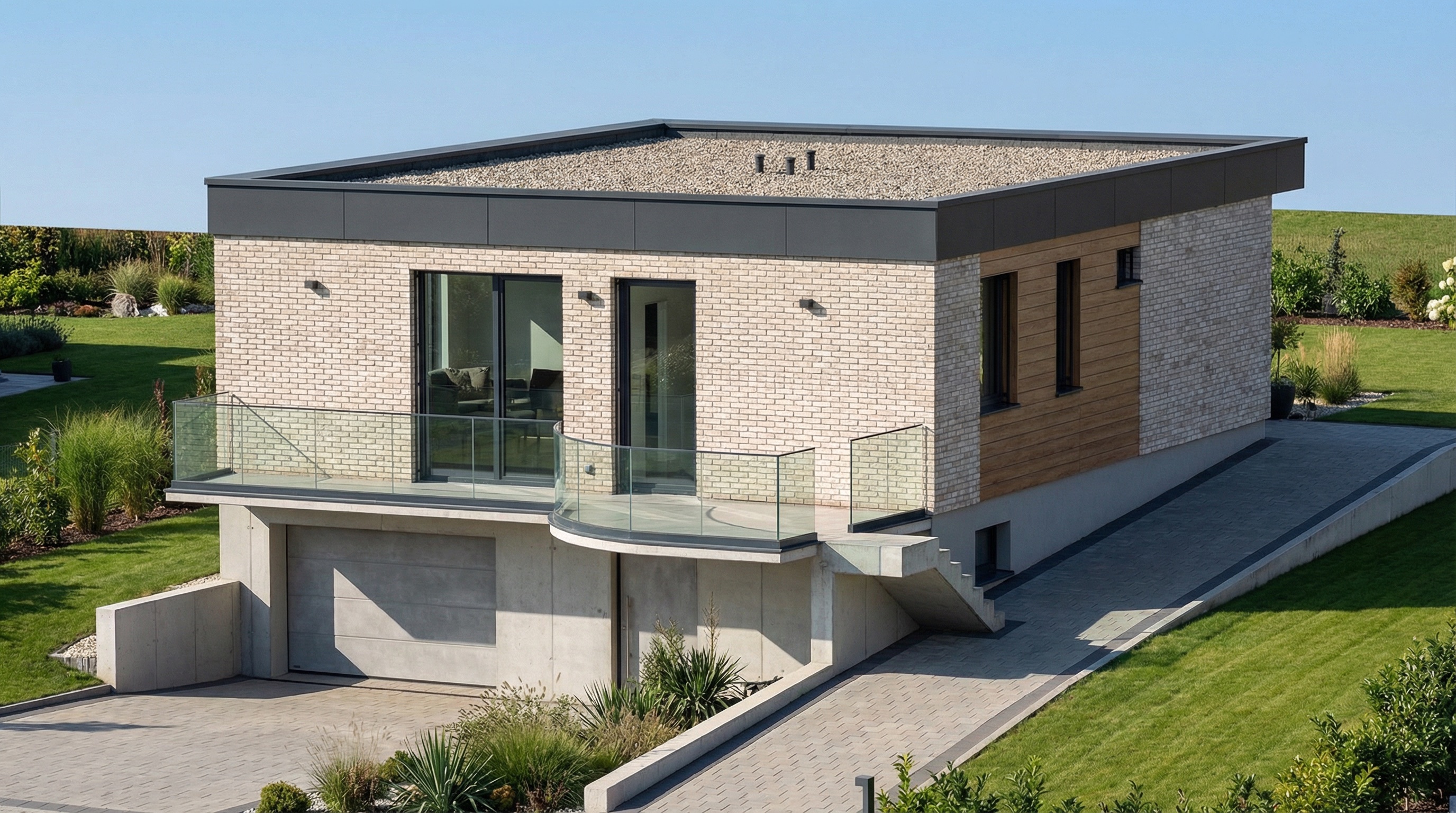
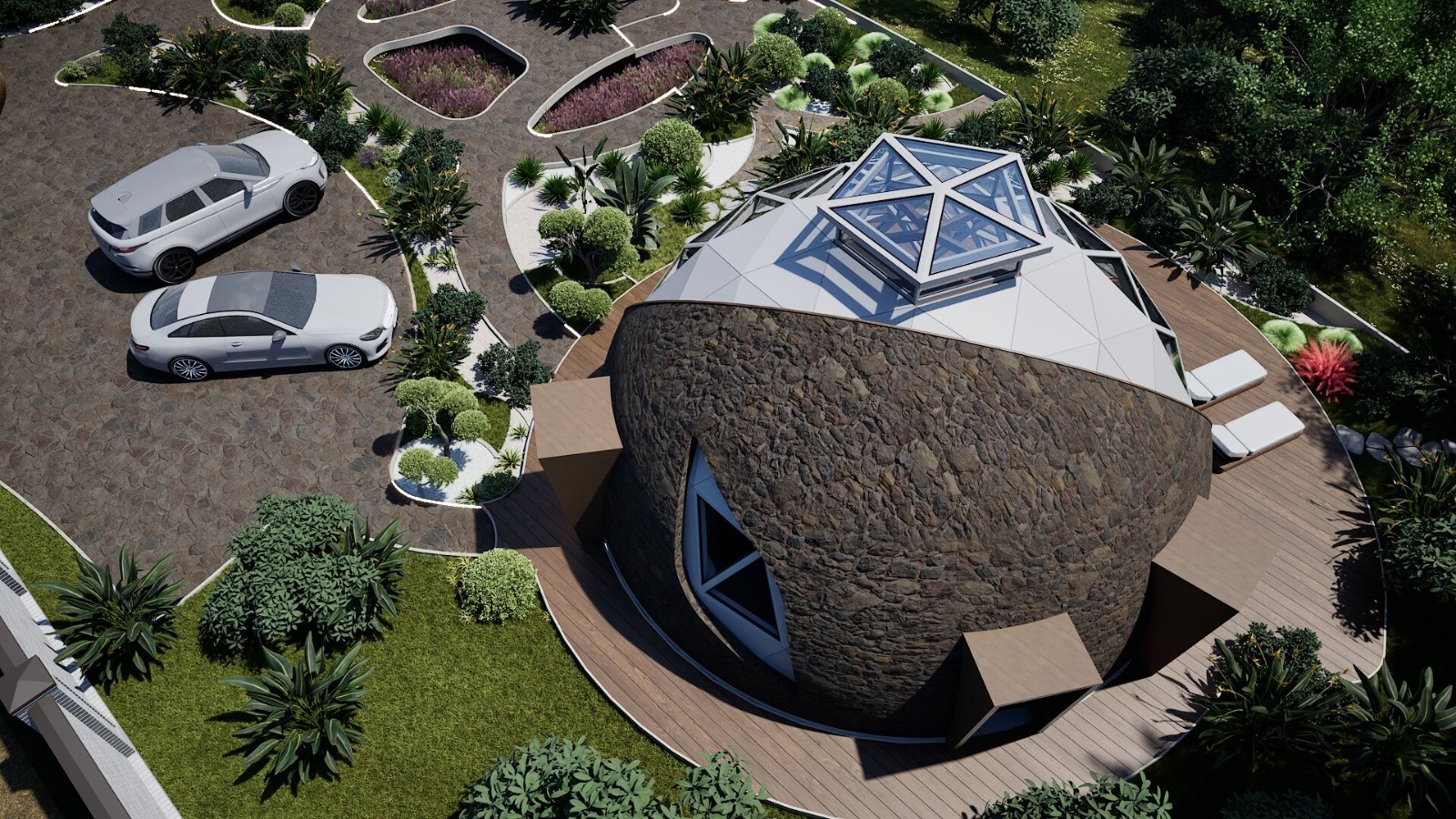
- Vacation homes that emerge from the ground like rock outcrops, integrating into the landscape
- Extensions and conversions that deliberately contrast old (brick, wood) with new (concrete, glass)
Why it works
The public has grown tired of the universality of drywall. Exposed concrete communicates solidity, permanence, material truth — qualities that a family home instinctively demands. And when combined with warm wood and carefully calibrated natural light, the result is not cold, but deeply serene.
At CONSARHOUSE, we integrate these principles into our residential projects, adapting brutalist volumetry to the Romanian climatic and cultural context.